
Last Updated on 15 July 2025 by Maelle
For the farmer, whether a full-time farmer or a hobbyist, there are few things more frustrating than a non-functional tractor. Tractors seem to have a nasty habit of breaking down just when the user is ready to hitch a plow or seeder, and they often do so furthest from the barn or workshop. The oft-repeated “Murphy’s Law” states that if something can go wrong, it will. Clearly, Mr. Murphy owned a tractor. Fortunately, the basics of tractor repair can be quickly mastered. They mainly consist of keeping in mind that a tractor is not a car or a truck. This difference is perfectly illustrated by the fact that tractor maintenance is not based on the number of miles driven, but rather on the number of hours the machine is used. A tractor is constantly forced to work in less-than-ideal conditions and undergoes a maximum of mechanical stress.
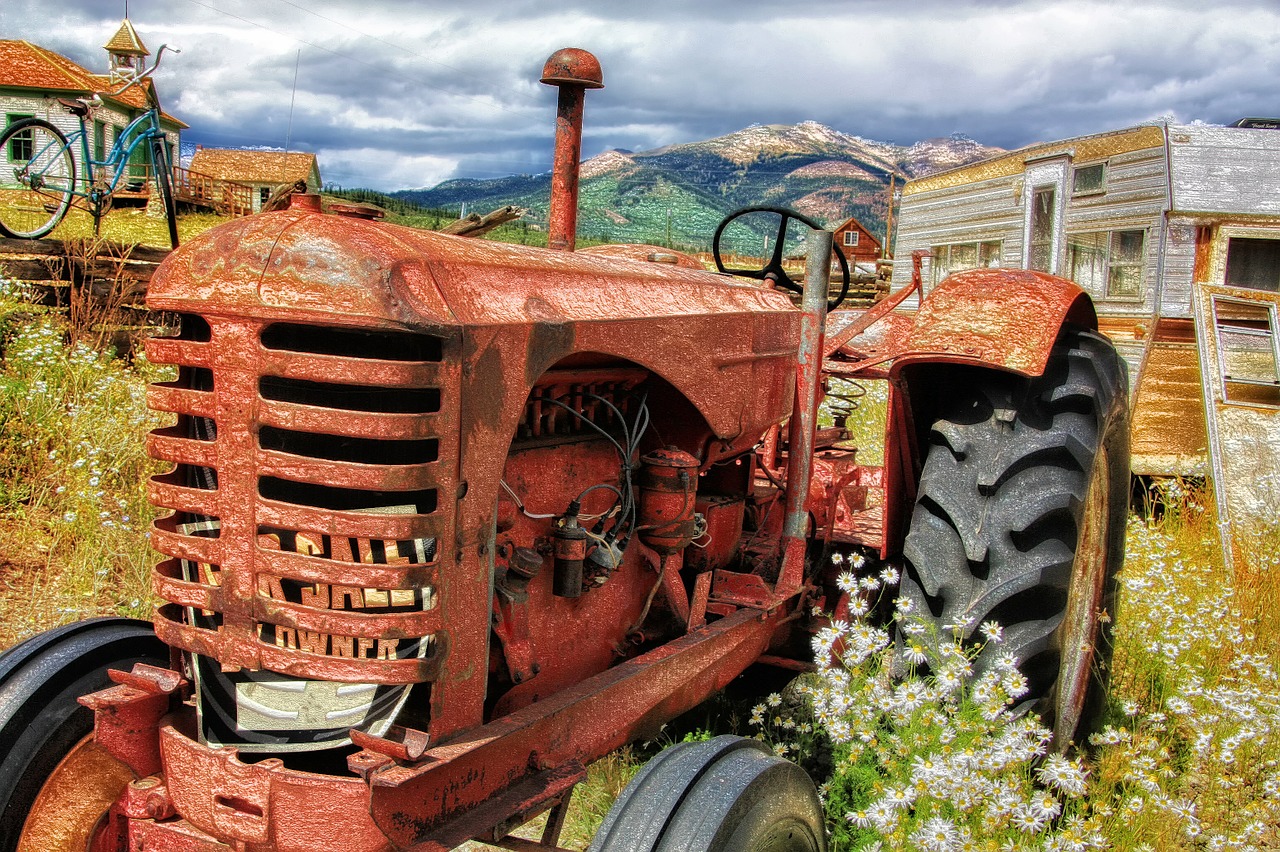
Let’s say you’ve inherited an old tractor or found one you’d like to purchase and restore. What questions should you be prepared to answer before undertaking a major tractor restoration project? That’s why
tout-reparer.fr offers you its guide: How to repair a tractor? 1. Do you have mechanical aptitude?
The ability to examine a part or component, understand its function, anticipate problems, and correct them is essential to a successful restoration. Often, problems are overlooked due to a lack of understanding. The results are leaks, malfunctioning components, and possible damage. This is not the outcome you want after spending a lot of time and money. However, there are many resources and people who can help you. Find a network of people or a club, and you will often have access to the knowledge you need.
2. Is the tractor worth restoring?

The best money spent is on a good tractor or work tool to begin with. Tractors that are rusting in the ground or have important missing parts can be restored, but it will be a very expensive undertaking. Is the tractor rare or simply special? Unless you own a very rare tractor, most of the time, the cost of a good restoration will exceed its value. However, if you want to restore a tractor you love, that belonged to a family member, or that has some other sentimental value, it doesn’t have to be rare to justify the cost. If you’re restoring to keep busy, learn new skills, or spend quality time with a family member or friend, who can argue? We recommend a dealer who will offer excellent tractor rims.


4. Are you ready to invest the necessary money?
A budget can be arrived at by inspecting the tractor and noting the
obvious parts that need to be replaced
. Consider whether you want to rebuild the engine and/or transmission. Allow around 1,000 euros extra for the little surprises that appear when dismantling the tractor. If you’re rebuilding an engine, don’t ruin it with a bad radiator; have the existing one repaired or buy a new one. 5. Can you invest the time needed?You can easily spend 100 to 250 hours restoring your tractor. It takes 100 hours to restore a tractor to good condition, so if you have a hedge tractor it could easily take 250 hours or more. Of course, it depends on how beautiful you want your tractor to look once the restoration is complete.
6. Reproduction parts or salvage parts?
In many cases, original parts are the best because they will fit perfectly and protect the tractor’s value. But you can only find some parts used. Then there are the parts I call ‘impossible,’ so if you have it on your tractor, repair it, because you won’t find another. For starters, carburetors, generators, engines, and radiators, it’s always best to keep the original and have it repaired. Aftermarket parts aren’t as good as the original parts, and most of the time, the fit and size aren’t correct. It’s important to make sure bearings, pistons, and other major parts are available before boring blocks or turning crankshafts. To check, click here.
7. Can you get the right manuals? We believe everyone should have a copy of their owner’s manual, which tells you where to add fluids and how much, where to lubricate, what tire pressure to use, and how to operate every aspect of the machine. The maintenance manual is essential if you plan to make any repairs to your machine, and we couldn’t live without it.

8. Do you have the necessary tools? Old tractors are notoriously rusty, and nuts and bolts can get very stuck. An acetylene torch, pullers, a hydraulic press, large wrenches, cleaning equipment, body tools, and paint sprayers are just some of the items you may need beyond a basic tool set. We recommend using a pressure washer. to clean dirt and grease from your tractor. It’s also important to use proper jacks and jack stands. Don’t use concrete blocks; they can and will break. Use good jack stands that are tall enough to support the tractor’s weight. I also use 6-inch by 6-inch wooden blocks under the jacks if I need extra height. You should also have one or two fire extinguishers available when working with flammable materials.
9. What paint should you use?
There are several levels of paint quality on the market. According to him, paints costing $30 to $40 per gallon at the farm supply store may lack UV protection and may crack and fade, while automotive paints can cost up to $400 per gallon. Use tractor dealer paint if available, but any paint will give a good finish if applied correctly. We finish all our paint jobs with a coat of clearcoat. Expensive paints are two-part urethanes, and by using the cheaper enamel and finishing with a coat of clearcoat, you can achieve the same beautiful finish at a much lower cost.10. Is your goal to restore or renovate? You’ll need to decide what quality you want in your restoration. Most body shops don’t paint the entire tractor, only the sheet metal. You then have the problem of having beautiful sheet metal, and your casting could be pitted with rust and pale in comparison to the sheet metal. A good restorer can make the casting look as good as tin. In any case, test the parts before painting them.The entire team at
tout-reparer.fr
remains at your disposal in the comments section of the blog.


