
Last Updated on 15 July 2025 by Maelle
It’s common to encounter problems with your car horn. If my horn stops working, it could be due to a blown horn fuse or other electrical faults. In this case, it’s crucial to identify the cause so you can find an effective solution. A non-working horn can pose safety problems because it prevents you from signaling your presence or warning of potential road hazards. Learning how to fix a non-working horn can save you unnecessary hassle and expensive repair costs. To repair your horn, start by checking the horn fuse in your vehicle’s fuse box. If the fuse is damaged, replace it with a new one. If this doesn’t solve the problem, examine the horn, electrical connections, and relay to identify and correct any other potential faults. Why hasn’t my horn stopped working? What are the main causes of malfunction? A horn can stop working for various reasons. Here are the main causes:Battery problems Electrical faults: damaged cables and fuses Mechanical faults: corrosion, damaged diaphragm
Battery problems The battery is the main power source for your horn. If your battery is discharged or defective, the horn will not function properly. A dying battery usually shows other signs such as difficulty starting the engine or dim headlights. Electrical faults: cables and fuses Damaged cables or a blown fuse can interrupt the electrical circuit necessary for the horn to function. Horn fuses generally range from 10A to 40A and can blow due to electrical overload or age. Mechanical faults: corrosion, damaged diaphragm Corrosion of the connections or a damaged membrane inside the horn can also be responsible for the failure. The membrane is what allows the horn to produce its distinctive sound; if it is damaged, the horn will not function properly.
How to diagnose a faulty horn? What tools are needed to diagnose the fault?Before beginning the diagnosis, make sure you have the following tools: Multimeter Standard toolbox
Pliers
Protective gloves
Step-by-step check: battery, fuses, relays, and wiring
- Follow these steps to diagnose the source of the problem with your horn:
- Battery:
- Check if the battery still has power using a multimeter. A voltage below 12V indicates that it needs to be recharged or replaced. Fuses:
Locate your car’s fuse panel, usually located under the hood or under the steering wheel, and check the horn fuse.
Relays:
Inspect the horn relay, which can be found in the same box as the fuses. Replace it if necessary.
Wiring:
Check the wiring for damage or corrosion.
Using a Multimeter to Test the Circuit A multimeter is essential for testing the horn’s electrical circuit. Here’s how:Set the multimeter to the voltage measurement function.

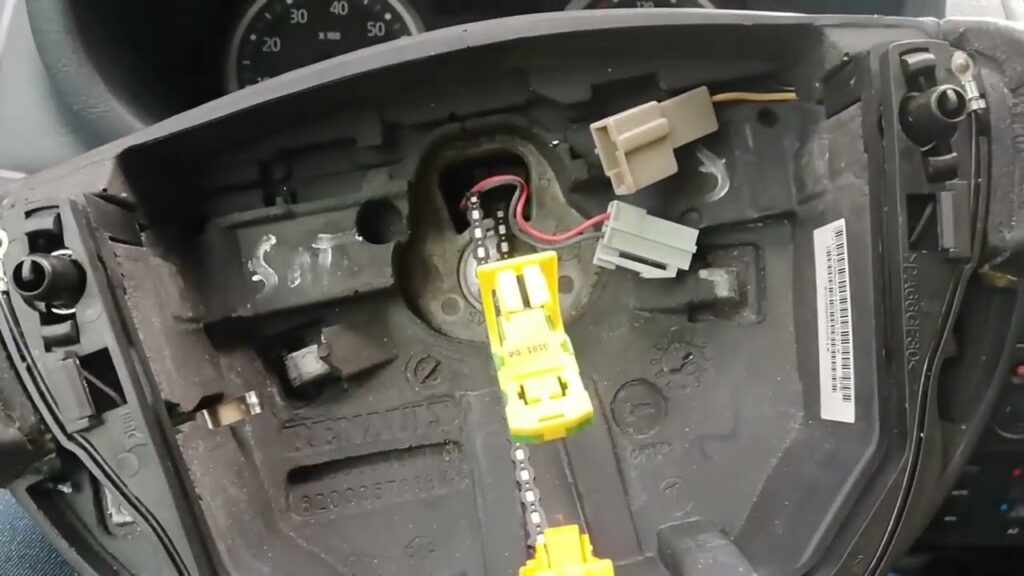
Connect the multimeter probes to the horn terminals to check for current.
If the multimeter doesn’t display a reading, this indicates a problem somewhere in the circuit.
Always make sure you work on an open circuit to avoid the risk of electrocution! Benchmark Studies on Horn Diagnostics
- According to a study published in the Journal of Electrical Systems, approximately 80% of horn malfunctions are related to electrical issues, while 20% are due to mechanical defects. Another study from the
- Automotive Safety Journal
- emphasizes the importance of regularly checking horn system components during routine maintenance.
- Solutions for repairing a car horn
How to replace a faulty fuse
Replacing a faulty fuse is a simple task that can solve many horn problems. Follow these easy steps:
- Turn off your vehicle’s ignition and disconnect the battery to avoid the risk of electrocution. Locate the fuse box by referring to your vehicle’s owner’s manual.
- Remove the horn fuse using a fuse puller or tweezers. Visually inspect the fuse to see if it is blown. Replace it with a new fuse of the same amperage.
- Reconnect the battery and test the horn. Repairing electrical connections
- Electrical connections can become corroded or loose over time, causing power interruptions. Here’s how to repair them: Remove the terminals from the horn wires and clean them with an antioxidant solution.
Make sure the wires don’t show any visible tears or damage. Replace them if necessary.
Securely attach the terminals to the horn connections.
- Test the horn by turning the ignition back on.
- Cleaning and Repairing the Membrane
- A dirty or damaged membrane may be responsible for your horn’s malfunction. Here’s how to fix it:
Locate the horn behind the vehicle’s grille. Use a wrench to remove the horn from its housing. Open the horn housing to access the membrane.
Gently clean the membrane with a soft cloth and electronics cleaning spray.
Reassemble the horn and test its operation. Replacing the Entire HornIf your horn is beyond repair, replacement is sometimes the simplest option. Follow these steps: Purchase a horn that’s compatible with your vehicle. Disconnect the battery to work safely.

Remove the old horn by loosening the bolts and disconnecting the wires.
Install the new horn following the manufacturer’s instructions.
Reconnect the wires and secure the bolts. Reconnect the battery and test the new horn. How-to Steps for Horn Repair: Detailed Tutorial
- Materials Needed
- Protective gloves
- A toolbox
- A multimeter
- A new 40A fuse
Antioxidant cleaning solution
Soft cloth Adjustable wrench Electronics cleaning spray
- Safely Disconnect the Battery
- Before beginning any repair, it is crucial to disconnect the battery to avoid the risk of electrocution. Here’s how:
- Make sure the vehicle’s ignition is off.
- Open the hood and locate the battery. Use a wrench to first disconnect the negative cable (black terminal), then the positive cable (red terminal).
Place the cables out of the way to avoid accidental contact.
Locating and Replacing the Fuse
- Localizing and replacing the horn fuse is essential for repairing most malfunctions:
- Open your vehicle’s manual to find the exact location of the fuse box.
- Once the fuse box is located, remove the plastic cover.
- Using the fuse box diagram (usually located under the cover), identify the horn fuse.
- Use fuse pliers to remove the faulty fuse.

Insert a new fuse of the same rating (often 40A).
Replace the fuse box cover.
- Check and Repair Damaged Wiring
- Damaged or corroded wiring can interrupt horn operation. Here’s how to inspect and repair them:
- Remove the vehicle’s front horn cover.
- Visually inspect the wiring for damage or corrosion.
- If there is oxidation, clean the connections with an antioxidant solution and a soft cloth.
- Replace damaged cables if necessary by disconnecting them and connecting new cables of the same specification.
Testing the Horn After Repair
Once all repairs have been completed, it is crucial to test the horn to ensure everything is working properly:
- Reconnect the vehicle’s battery by attaching the positive cable first, then the negative cable.
- Turn on the ignition to activate the horn’s electrical circuit.
- Press the steering wheel to activate the horn and check if it is working properly.
- https://www.youtube.com/watch?v=ALD3APaJZJQ
- What precautions should be taken when repairing a horn? Essential Safety Practices
- To avoid accidents or further damage when repairing your horn, follow these safety practices:
- Always wear protective gloves to avoid contact with electrical components or sharp edges.
- Always disconnect the battery before handling electrical components.
Make sure you perform work on a flat, stable surface to avoid tipping the vehicle.
Avoid Common Mistakes
- To ensure a successful repair, avoid the following common mistakes:
- Never force electrical connections; they should fit easily.
- Always use fuses of the same amperage as those recommended by the manufacturer.
- Don’t ignore signs of corrosion; clean or replace affected components immediately.
Specific Warnings and Expert Advice
If you have any doubts about the condition of certain parts or if you are not comfortable with electrical repairs, do not hesitate to consult a professional. Working on your vehicle’s electrical system without expertise can lead to the risk of a short circuit or other significant damage. Conclusion and recommendations Repairing a car horn may seem like a simple task, but it requires careful attention to detail and safety practices. To summarize:
- Properly diagnose the fault by checking battery, fuses, relays and wiring.
- Use the appropriate tools and follow the
- repair steps
- detailed.
- If in doubt, consult a professional to avoid potentially costly damage.
- Keeping your horn in good working order is vital to your safety and the safety of others. By following this step-by-step guide, you can
repair most horn failures and ensure
that your vehicle is always ready to tackle the road in complete safety.


