
Last Updated on 14 July 2025 by Maelle
Hi friends! Today, we’re going to tackle a topic that affects many roller shutter owners: how to tell if your roller shutter motor is dead, especially if you have a Becker roller shutter motor. Yes, these handy little pieces of equipment can sometimes play tricks on us! Don’t worry, I’ll explain everything you need to know to diagnose the situation and avoid finding yourself in the dark with a stuck shutter. Let’s get started! What are the warning signs of a faulty motor?Visible symptoms during use
When you use your roller shutter, you may notice certain symptoms that could indicate that the motor isn’t in top shape. Here are some signs to look out for:
Difficulty raising or lowering:
If your shutter has trouble reaching its proper position, it’s a sign that it needs to see a doctor, or rather, a repairman. Jerky movement: If it makes a clicking noise when all you want is a smooth movement, it’s time to go into detective mode.Unusual motor noises
- Noises can be good indicators. Listen carefully while you’re operating the shutter: Buzzing or whistling:
- If your motor is making a chorus of strange noises, it’s often a sign that it’s in trouble. Complete silence:
If nothing happens when you press the button, it’s time to wonder if your motor isn’t already on vacation.
Fun Fact: Did you know that some roller shutter motors, like those from Becker, are designed to be very quiet? It’s almost as if they don’t want to disturb the neighbors!
- Erratic roller shutter behavior And what about strange behavior? Here are some behaviors that should make you prick up your ears:
- Unintentional lowering or raising: If your shutter lowers without you even asking, there’s cause for concern!
Reverse operation: If your remote control is playing tricks on you and controlling the shutter in the wrong direction, that’s a warning sign!How to perform an accurate diagnosis?
Checking the power supply
Before testing the motor, start by checking the power supply. Sometimes the problem is as simple as a loose outlet! Make sure the motor is properly plugged in and that the power supply is working. You wouldn’t want to find out that the problem was caused by a power outage, would you?
- Motor Functional Test To properly diagnose the motor, simply operate it in several ways. Try using the wall switch and the remote control to see if the problem persists. If you hear noises but nothing moves, it’s often the motor that needs a little help.
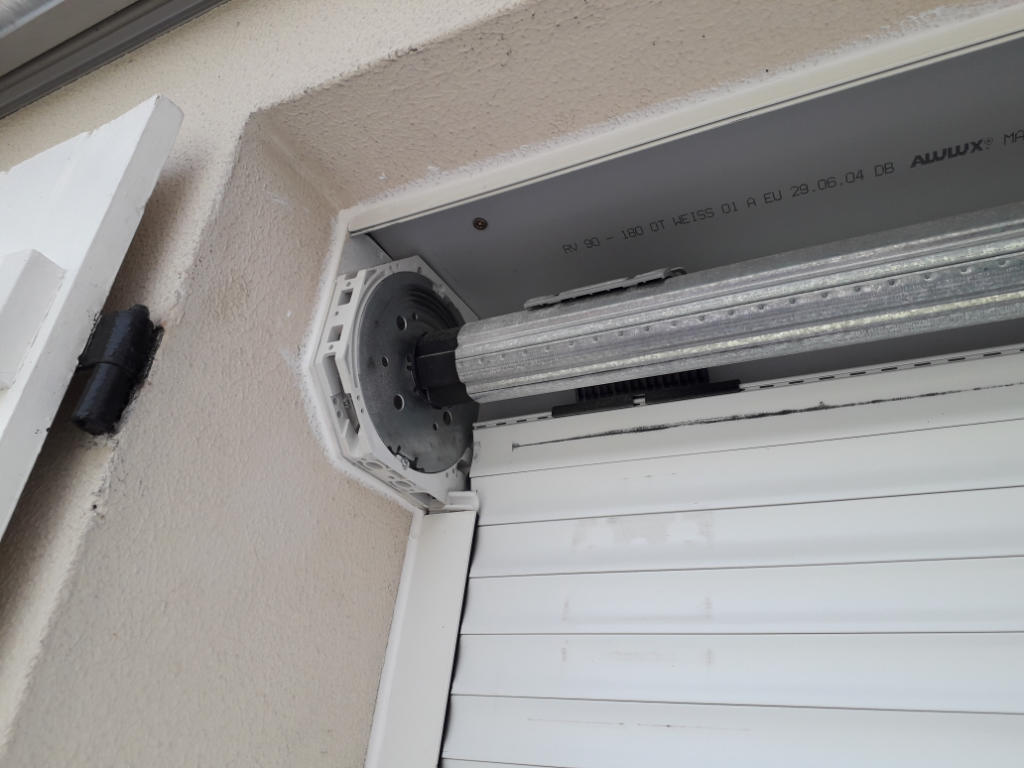
- Visual Inspection of the Mechanism Next, it’s time to open the casing and take a look inside:
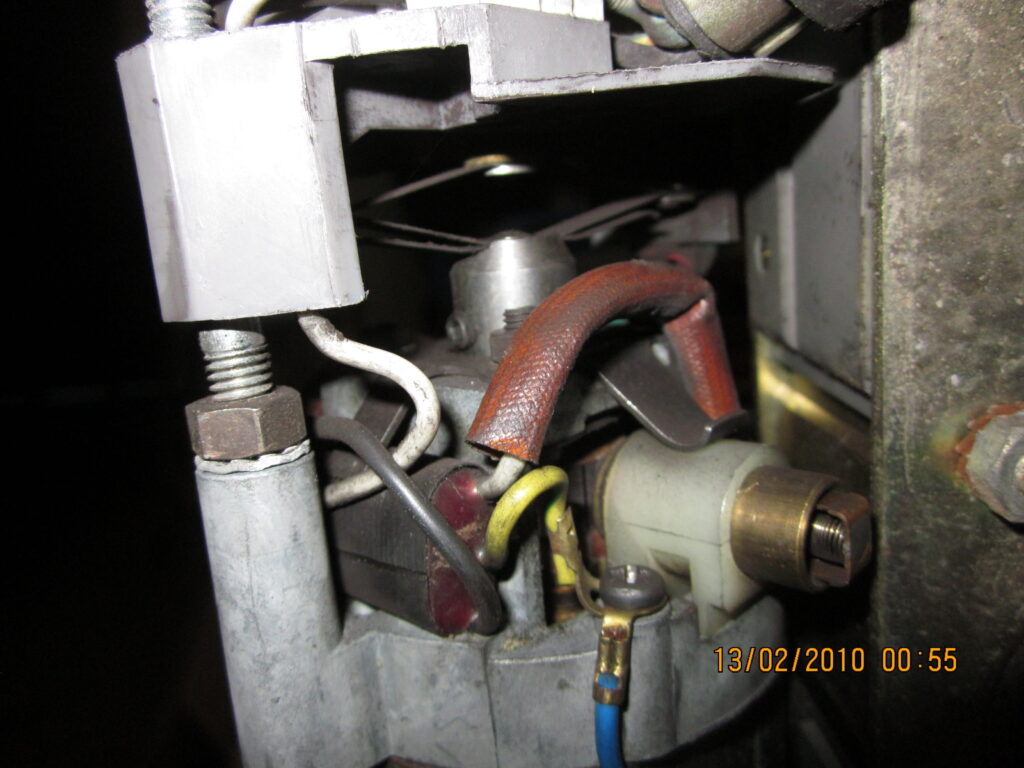
Check the electrical connections for any exposed wires. Inspect the motor and bearings for signs of wear or jamming.
If anything seems abnormal, that may be the problem.
What are the common causes of motor failure?
Normal wear and tear and aging
Like anything in life, over time and under pressure, things can deteriorate. Roller shutter motors are no exception. Over time, internal parts wear out, and the motor may begin to show signs of fatigue.
Mechanical damage
Accidents happen. An object falling on the shutter or mishandling can cause damage to the motor or other parts. During the inspection, pay attention to anything that could be damaged.
- Electrical problems
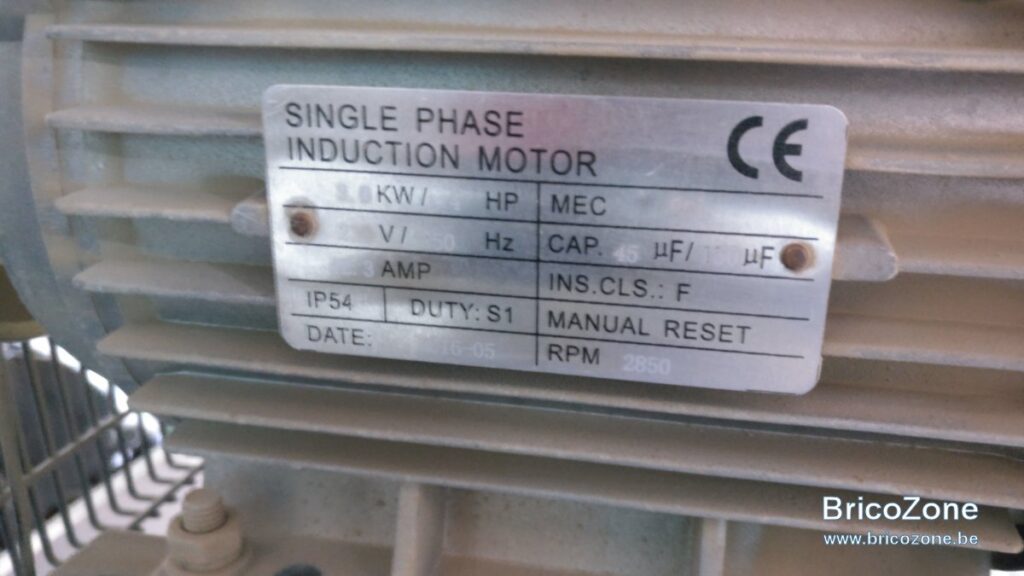
- Electrical faults are often the culprit. If the motor isn’t receiving the correct voltage or if there are a series of short circuits, it’s likely that you’ll need to repair or replace certain parts. When in doubt, a good electrician can help you resolve these issues.
- When to Consider Motor Repair or Replacement
Factors Influencing the Decision
Before deciding whether to repair or replace, there are several factors to consider:
Cost of repair versus replacement.
Age of the motor: A 10-year-old Becker motor may not be worth it.
Frequency of breakdowns: If this becomes a habit, a replacement might be the best solution.
Cost of repairs vs. cost of a new motor
Generally, repairs can cost between €50 and €200, depending on the part to be replaced. On the other hand, a new motor can cost between €100 and €300. So, do the math before committing!
Pros and Cons of Each Option
Repairing may be less expensive, but sometimes a new motor offers improved options and technologies. Weigh the pros and cons to make the choice that’s right for you.
How to Replace a Roller Shutter Motor Yourself
- Steps for an Effective Replacement
- If you’ve decided to attempt the replacement yourself, here are the detailed steps:
- Disassemble the shutter by unscrewing the screws from the box cover. Remove the pin on the winding shaft, then remove the motor.Connect the new motor and check that it works properly.
Reassemble all parts in reverse order.
Tools Needed and Precautions
Make sure you have a screwdriver, a multimeter to test the electrical system, and, of course, a new replacement motor. Don’t forget to unplug the power before you begin, otherwise you could be saying goodbye to your little fingers! When to call a professional?
Benefits of Hiring an Expert
Sometimes, it’s better to call a professional. The benefits include:
Expertise: You can be sure everything is done correctly.
Save time: No need to struggle with screws and the motor!
- Criteria for Choosing a Professional
- If you choose to hire a professional, consider these criteria:
- Check customer reviews.
- Check if they are certified and insured.
Compare quotes before making your decision.
What are the preventative solutions to avoid a breakdown?
Regular Maintenance of Roller Shutters
Proper maintenance can extend the life of your motor. Wipe off dust and check that everything is working properly on a regular basis. You can even apply a little oil to the moving parts from time to time to keep them in good condition.
Best Practices to Adopt
- Among the best practices, remember to:
- Avoid forcing the shutter if you feel it resists.
Never let objects block the shutter’s path. In short, keeping your roller shutter in good condition requires a little attention, but it can save you a lot of hassle. So, don’t hesitate to put everything you’ve just learned into practice to avoid being caught off guard!


